afootwego-03-fitness-for-travel-lets-just-do-it
afootwego Post – Fitness for Travel – Let’s Just Do It!
…for people who love to walk…
Supporting Mindful and Responsible Travel
For travelers, being fit helps helps us to have the best of experiences
Fitness for Travel – Let's Just Do It!
Updated June 2026
September 2024
7½
Depending on the type of travel we are doing, being fit may be essential, important, or optional. That said, when we are fit, we can expect to maximise the fun on our travels, and to have the best experiences ever.
A Quick Outline
In this Post, we shall explore:
Latest Travel Post
offers more than 21 ideas for Sydney attractions worth visiting during winter, Sydney’s quietest season for tourism (making it also the most affordable season for visitors )…
Fitness is like Insurance – can we Ignore It?
Is getting fit on your 'to-do' list before you travel?
Do we need to get ourselves fit for when we are travelling?
The answer really depends on what type of travelling we are doing.
If we are back-packing somewhere exotic, almost certainly the answer is YES!
For long-haul flights, the fitter we are, the quicker we can shake off any jet lag.
And, if we are touring by coach, or cruising, maybe it depends on the destinations we will visit.
So, why should we be fit to travel?
The simple answer is so we can maximise the fun and have the best experiences ever!
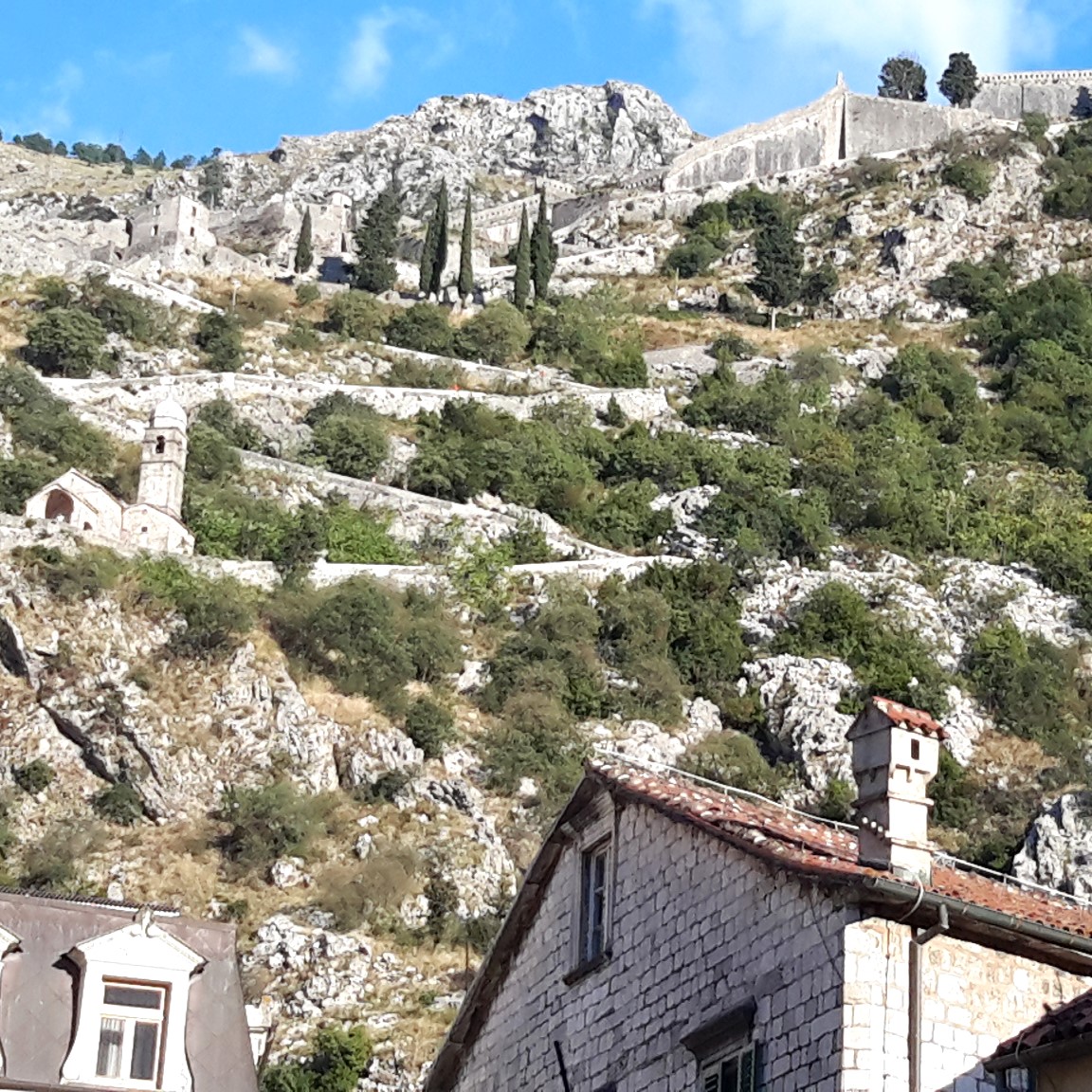
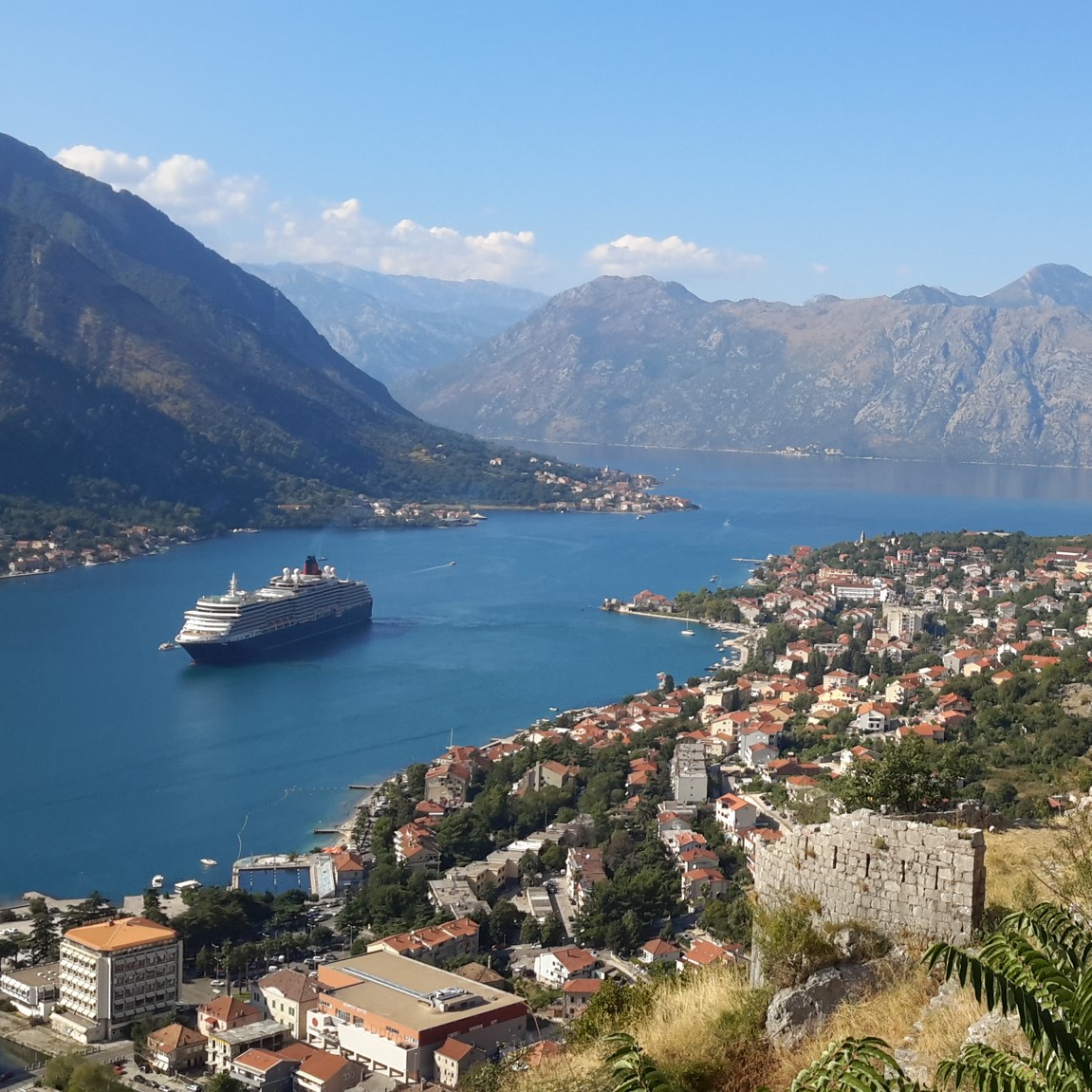
As an example, the views from Kotor's San Giovanni Fortress are breath-taking (literally!). But to get there, we need to tame some 1300(+) steps up to (and back from) the Fortress. For this, I would suggest some preparation is useful, perhaps even wise.
Another reason for being fit is to eliminate, as much as we can, the possibility of injury. For example, a pulled shoulder muscle, from something as simple as lifting a well-filled backpack up into the overhead rack in a train.
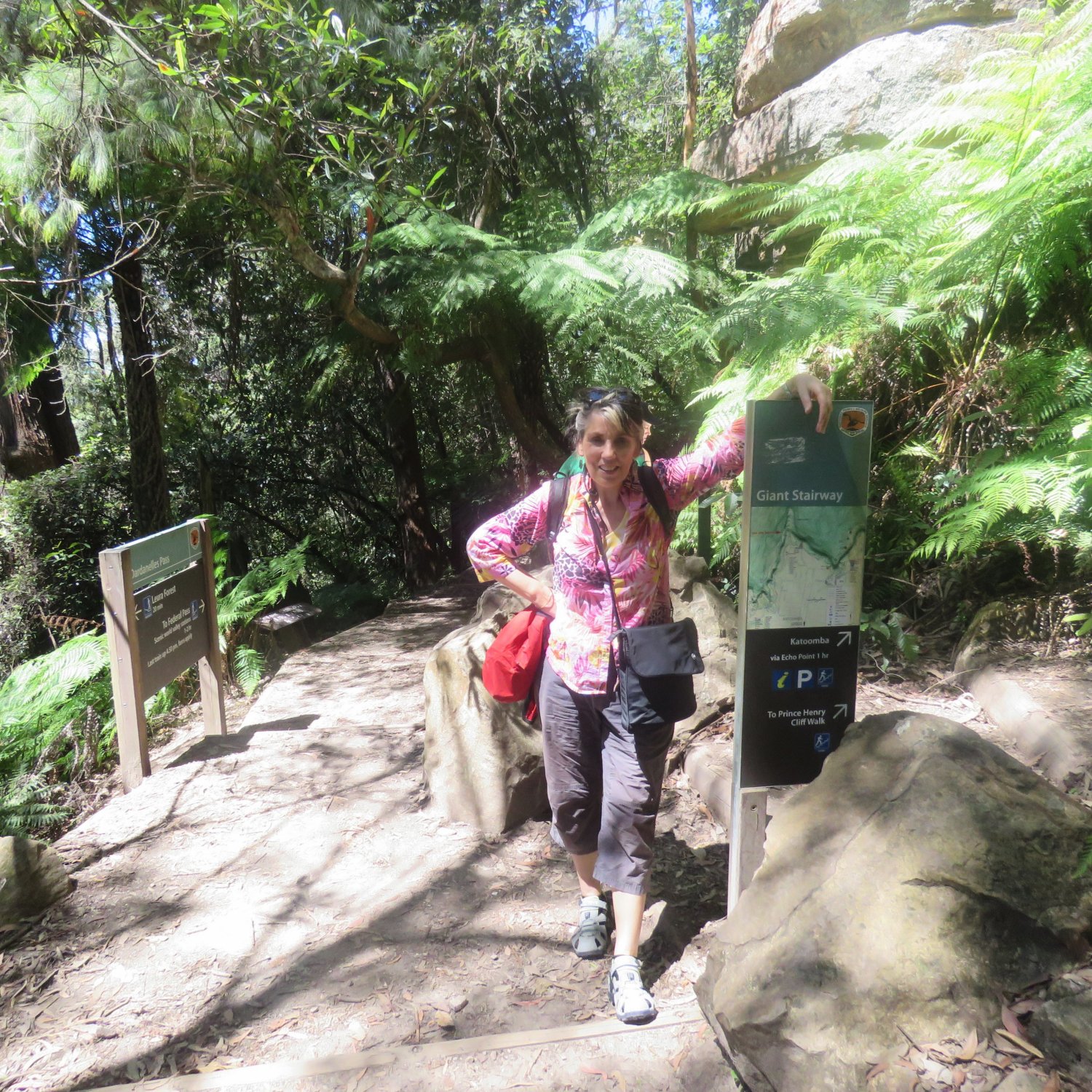
My third example, for which I had prepared, but obviously not correctly, is from descending the 998 near-vertical steps of the Giant Stairway, at Katoomba's Blue Mountains (Sydney). My thigh muscles screamed at me from about Step 300. I did reach the bottom, but I was suffering! My thigh muscles, accompanied by my glutes, kept punishing me for another few days.
My problem here was although the walk was rated "very steep, experience recommended", I had not prepared for the constant strain from the continuous near-vertical descent, which took a little under half an hour. Indeed, I was actually unaware of the challenging nature of the descent, as it is not well-described in the 'official' promotional material.
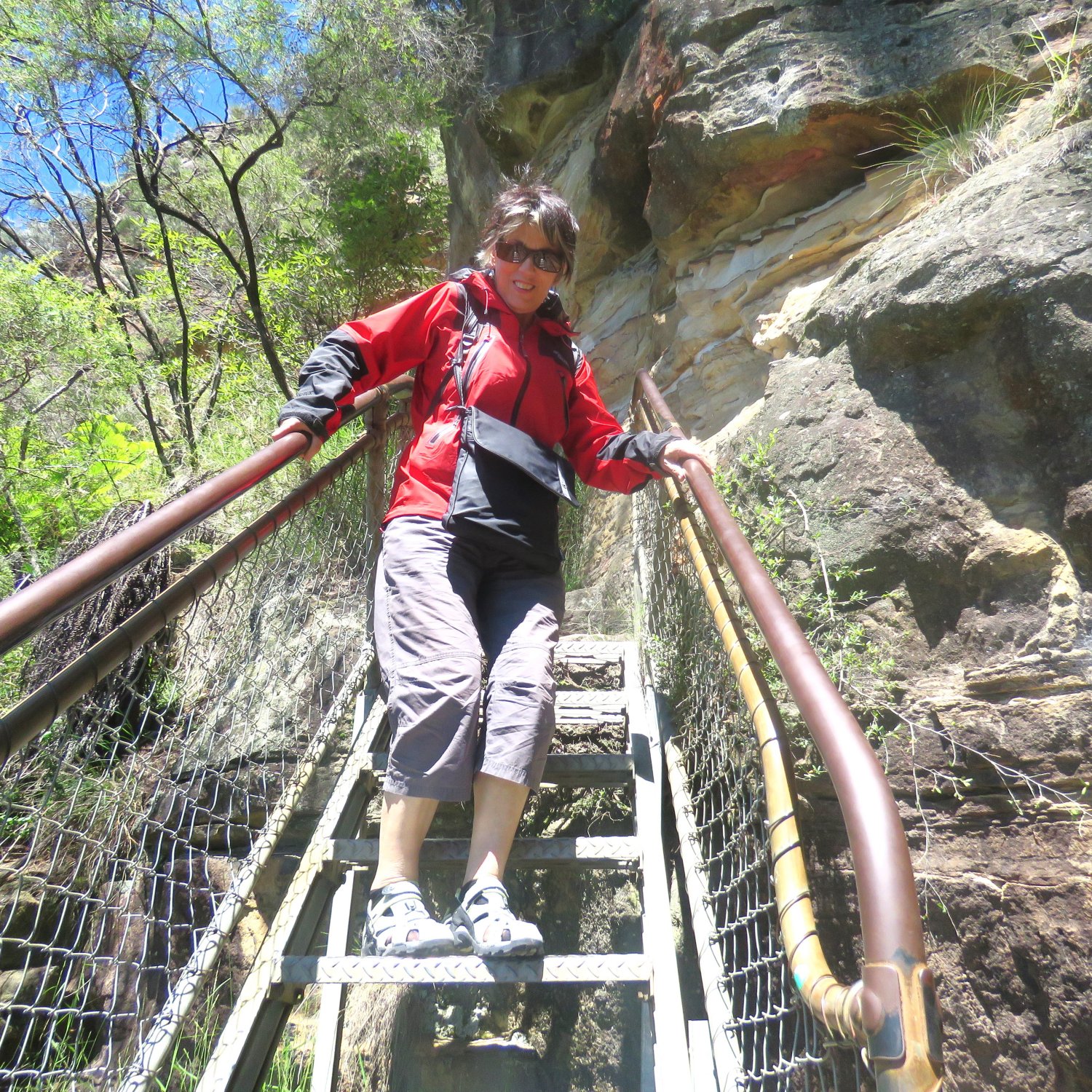
In this case, perhaps my ambition almost exceeded my capability. According to my South African-born friend: "If you are stupid, you must suffer !" That was me!

Fitness Preparation
In the above anecdote, I was 'caught out' by what I didn't know, even though I was well prepared for bush-walking, and I expected some ups and downs along the way.
Whenever I travel, I like to walk, and I walk a lot. Often, my daily step-count exceeds 30,000. My usual travel fitness preparation, once I have decided my itinerary, involves a lot of walking, on different terrains and surfaces. I do this for 5 or 6 days of the week.
Along with my regular exercise regimen for my upper body, this has usually put me in good stead for most destinations and attractions, including Kotor's San Giovanni Fortress, which is at the top of the Ladder of Kotor.
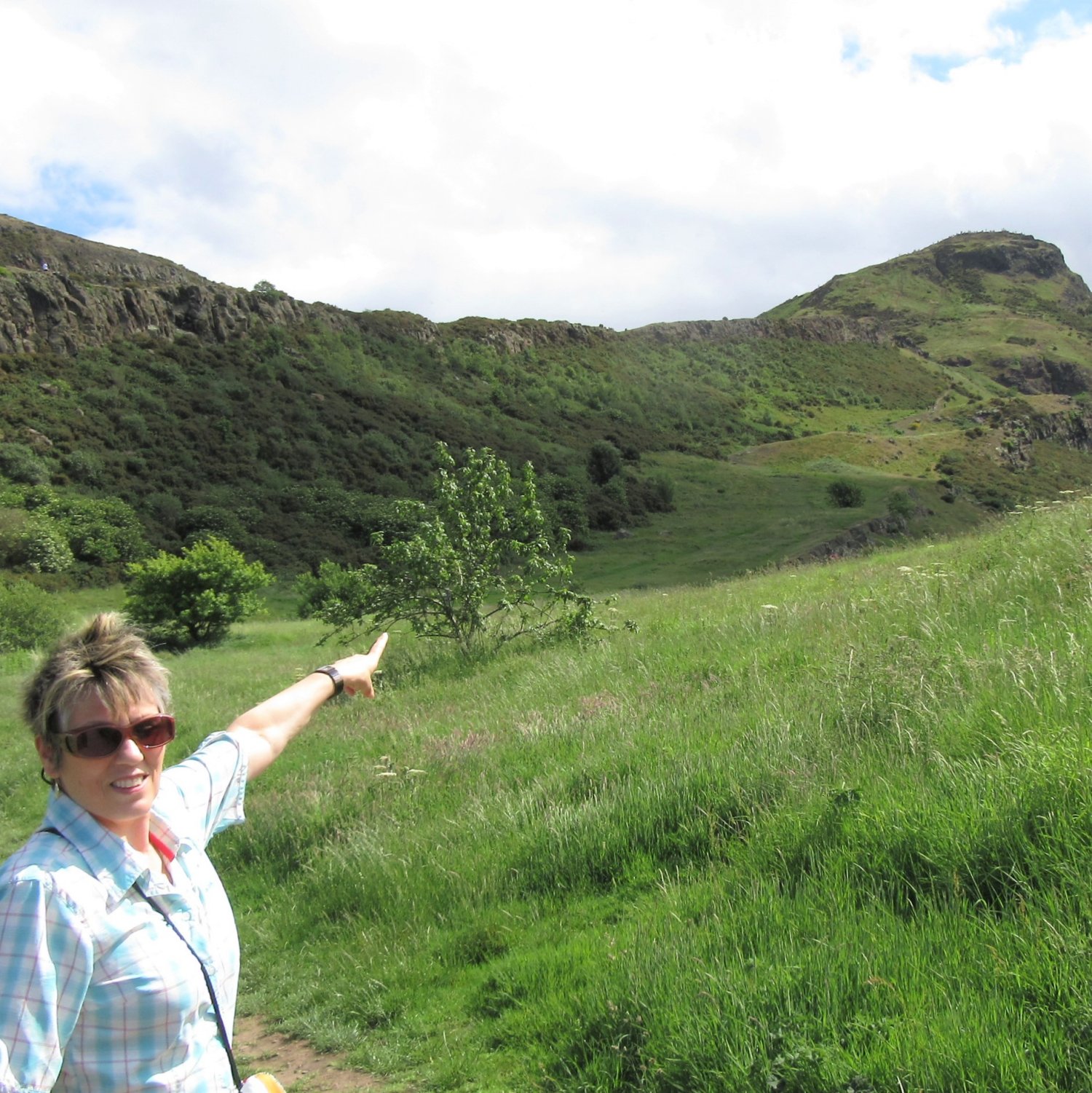
That said, I do have unfinished business at Edinburgh's Arthur's Seat, where I ran out of puff, as I was still recovering, after catching some travel bug on my long-haul flight to Britain.
Those of us who like to visit iconic and historic attractions often find that we are confronted by stairways and flights of steps. For various reasons, many historic and heritage buildings are not fitted with elevators.
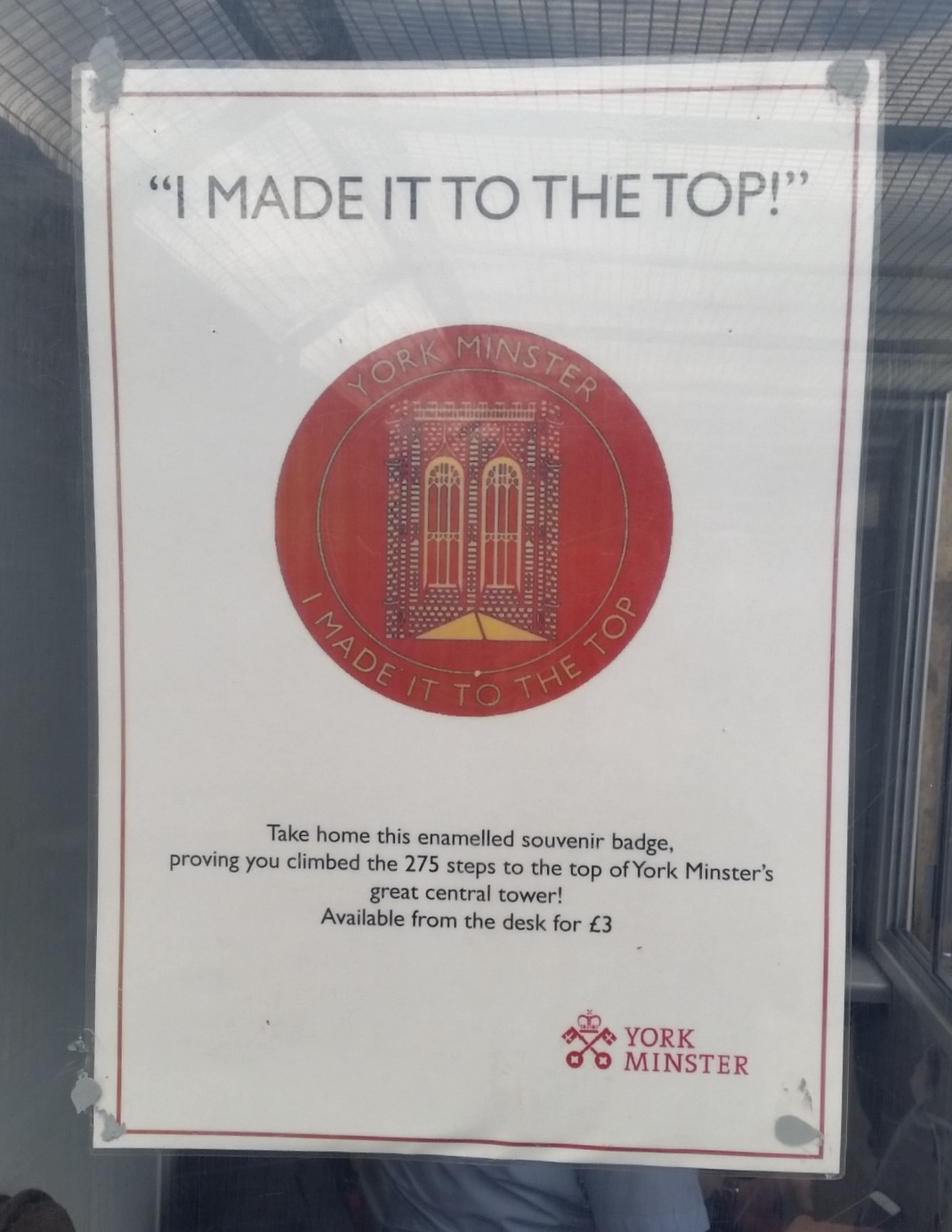
Some that I have encountered include: descending the 540 steps in the tight, winding spiral of La Sagrada Familia's Passion Tower; taking the 250 steps to the rooftop of Milan's Duomo (up and down), and the 275 steps to the top of York Minster's Central Tower. I have yet to attempt the 674 steps of the Eiffel Tower, but it is on my list!
No Gym? No Worries – DIY!
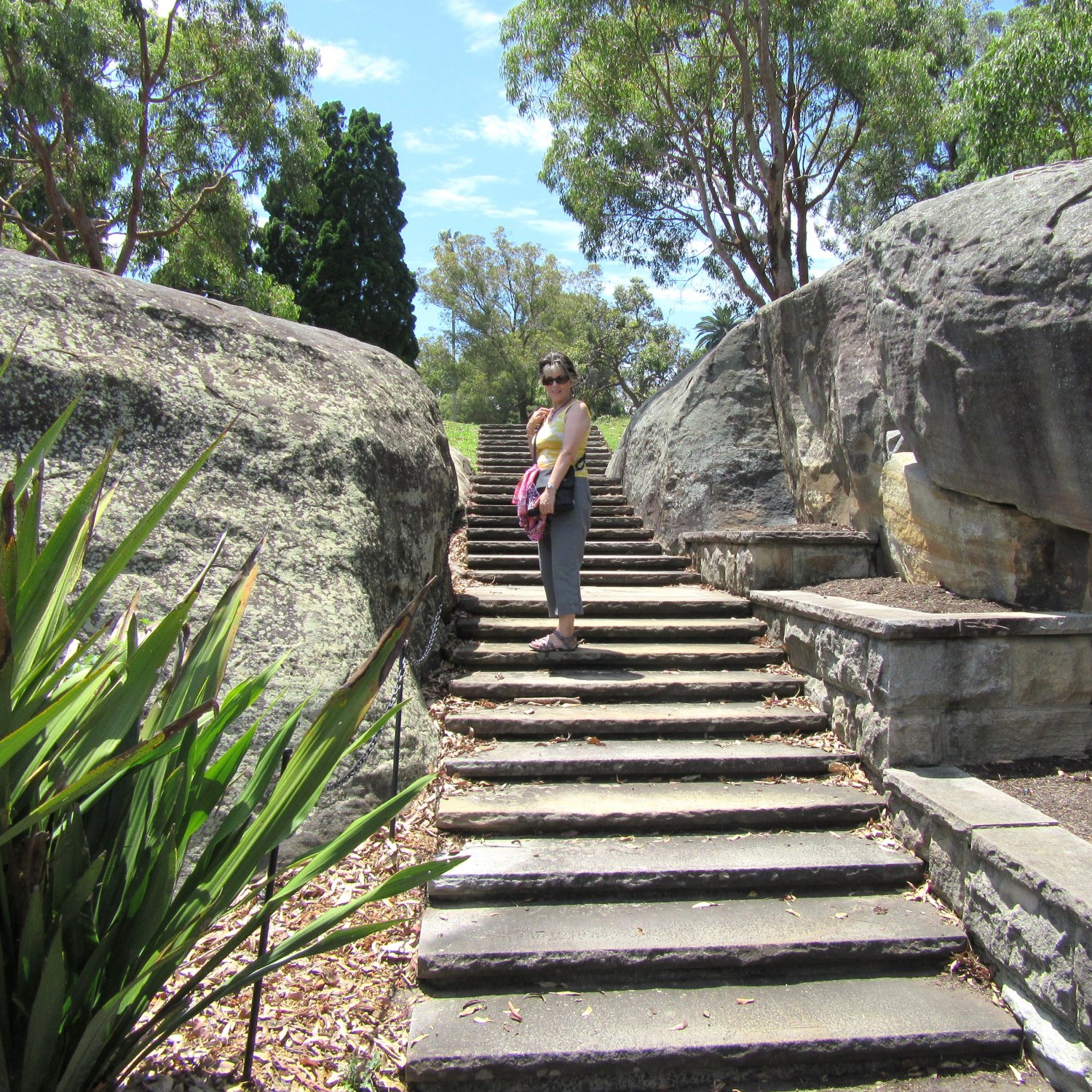
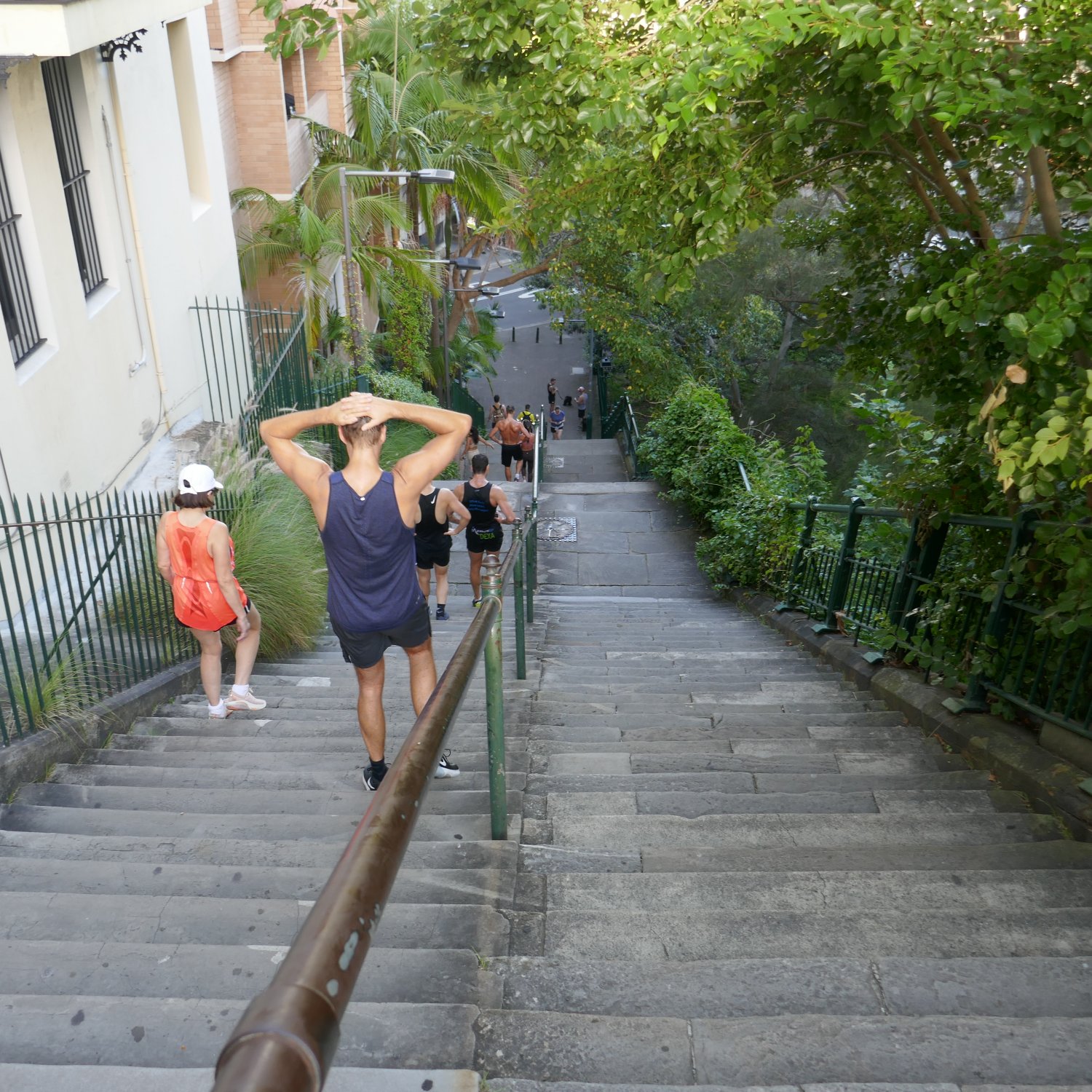
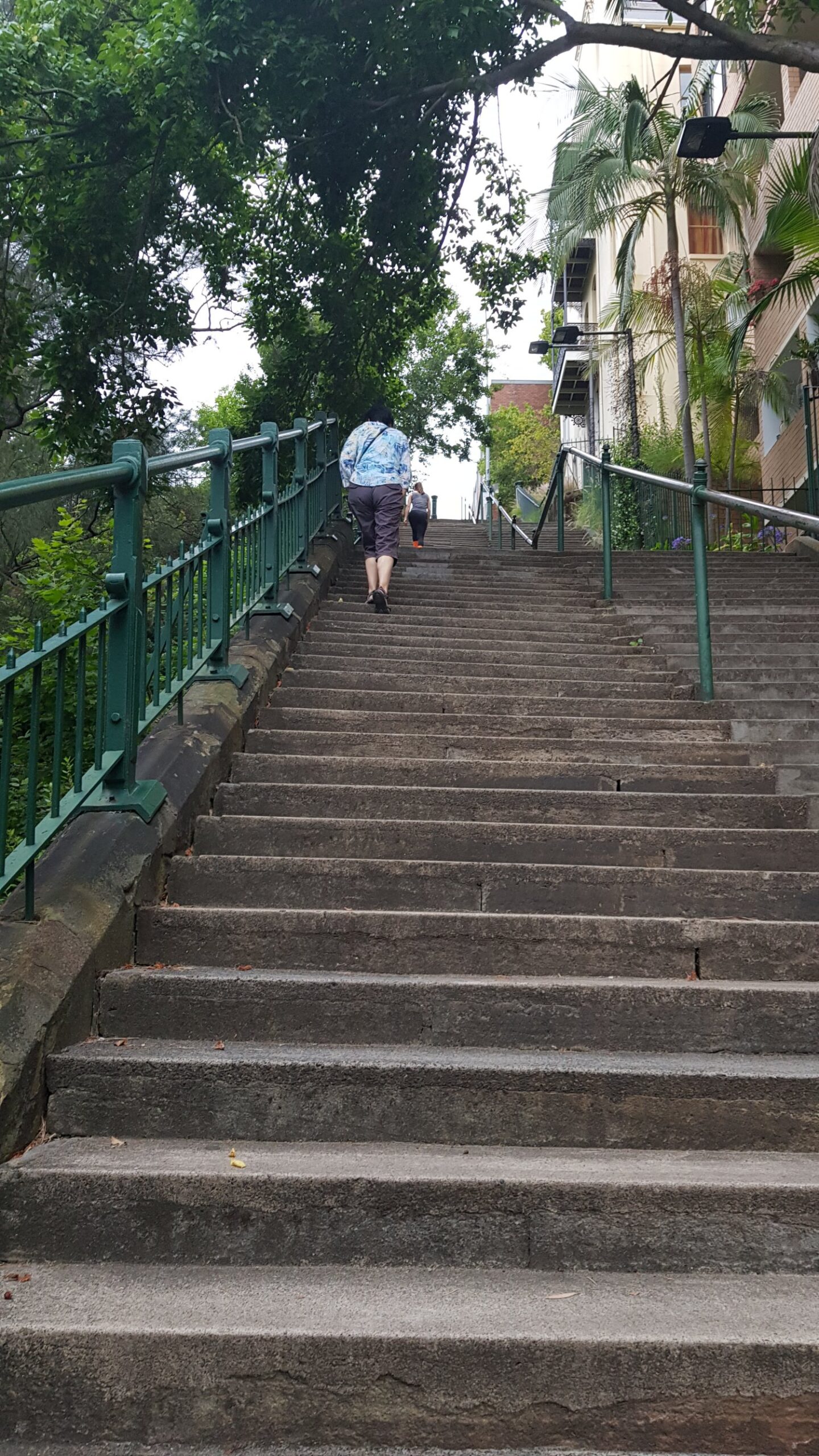
So, apart from always including some hilly sections in my fitness preparation routes, I also find places where I can attack some steps, both up and down. These days, as a matter of course, I tend to take advantage of stairs and steps, rather than elevators or escalators, whenever and wherever I can.
When I am doing my preparation, my walking pace, on a flat surface, such as a sealed pathway in a park, is usually around 100 metres (110 yards) per minute (or, 10 mins per km). This pace is without a backpack.
If I am backpacking, I need to build some endurance work into my fitness preparation. My pace with a 15 kilo (35 lb) backpack is around 12-15 mins per km, depending on the terrain.
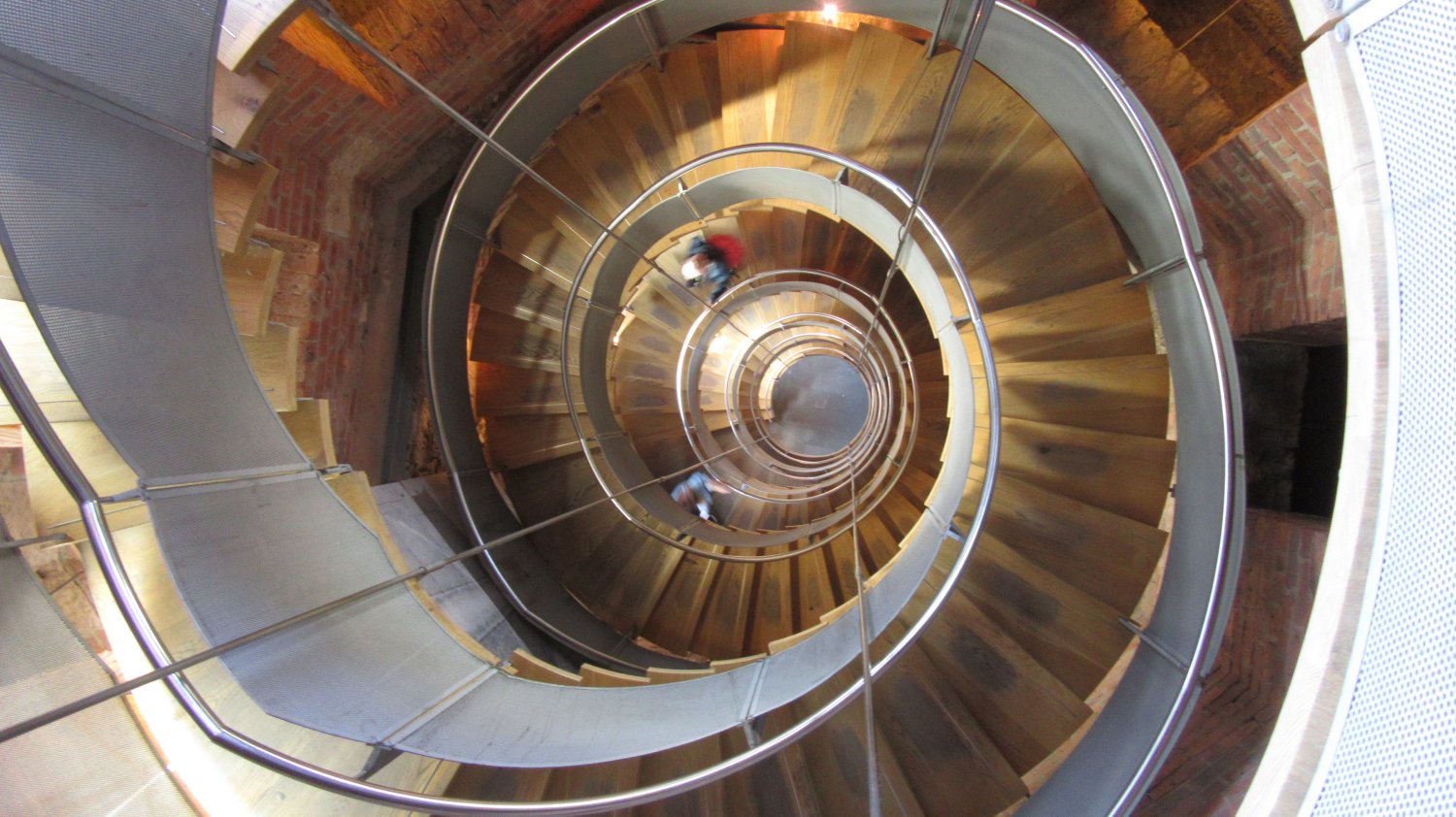
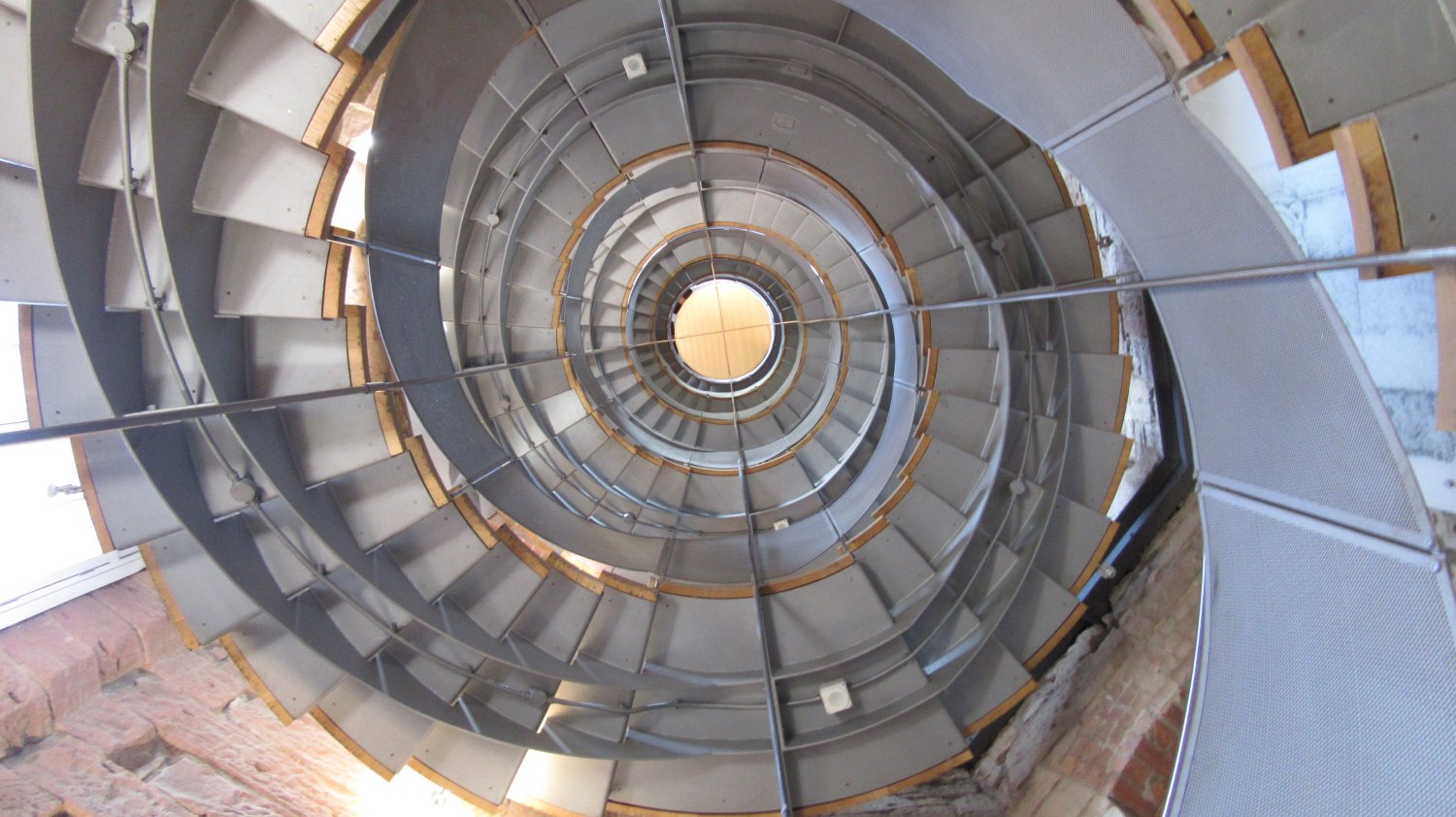
Top: looking down from the top. Bottom: looking up from below
The rest of my exercise regimen is based on activities that I can do both at home, and also while travelling. There are numerous workout routines available for home and for travel. I tend to mix and match my activities, and swap them around from time to time, to avoid something becoming a chore.
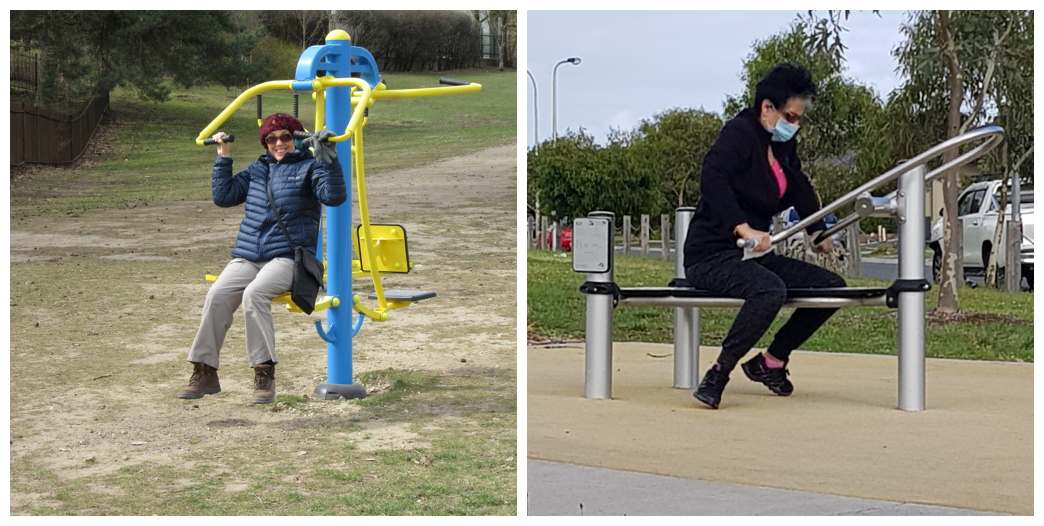
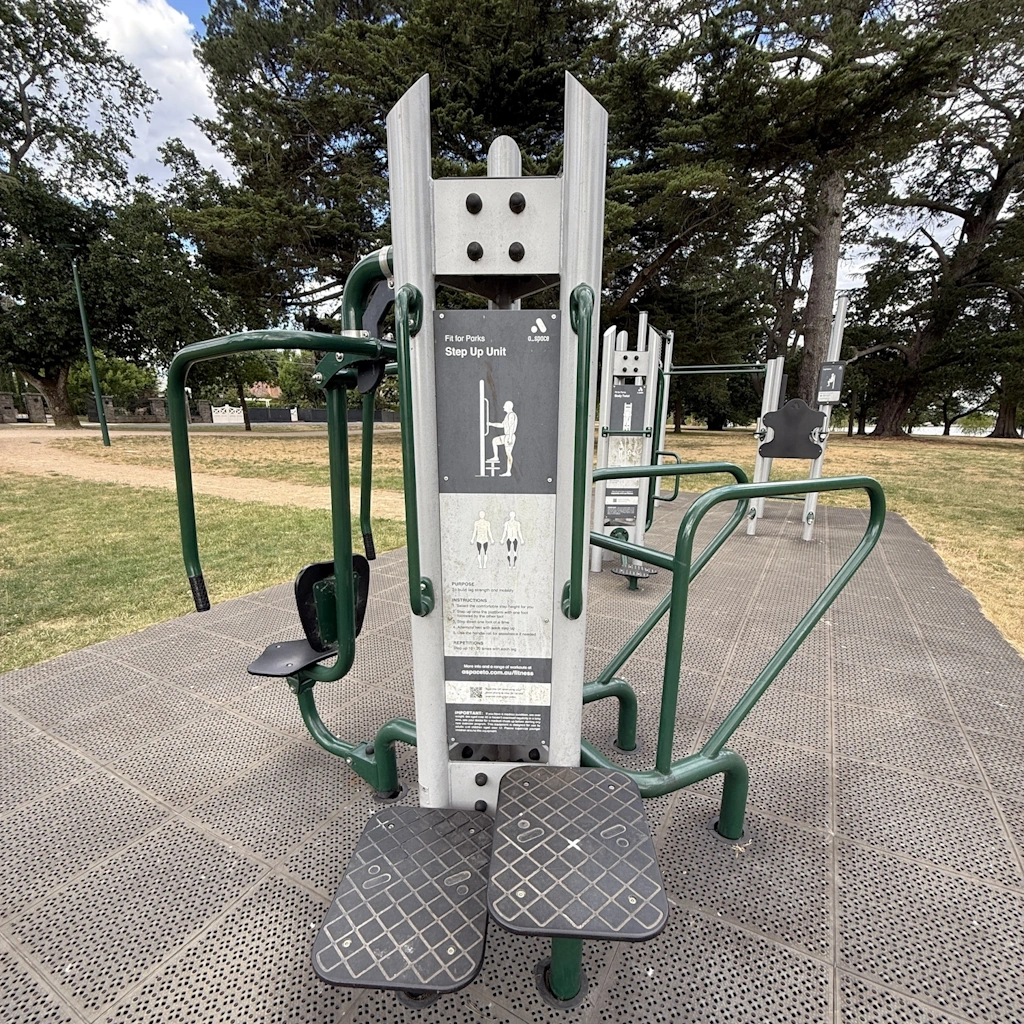
We can often do many of these activities in a local park. Perhaps, we might even be able to use a local public outdoor gym. When I am travelling, the only exercise equipment I carry with me are a couple of resistance rubber bands.
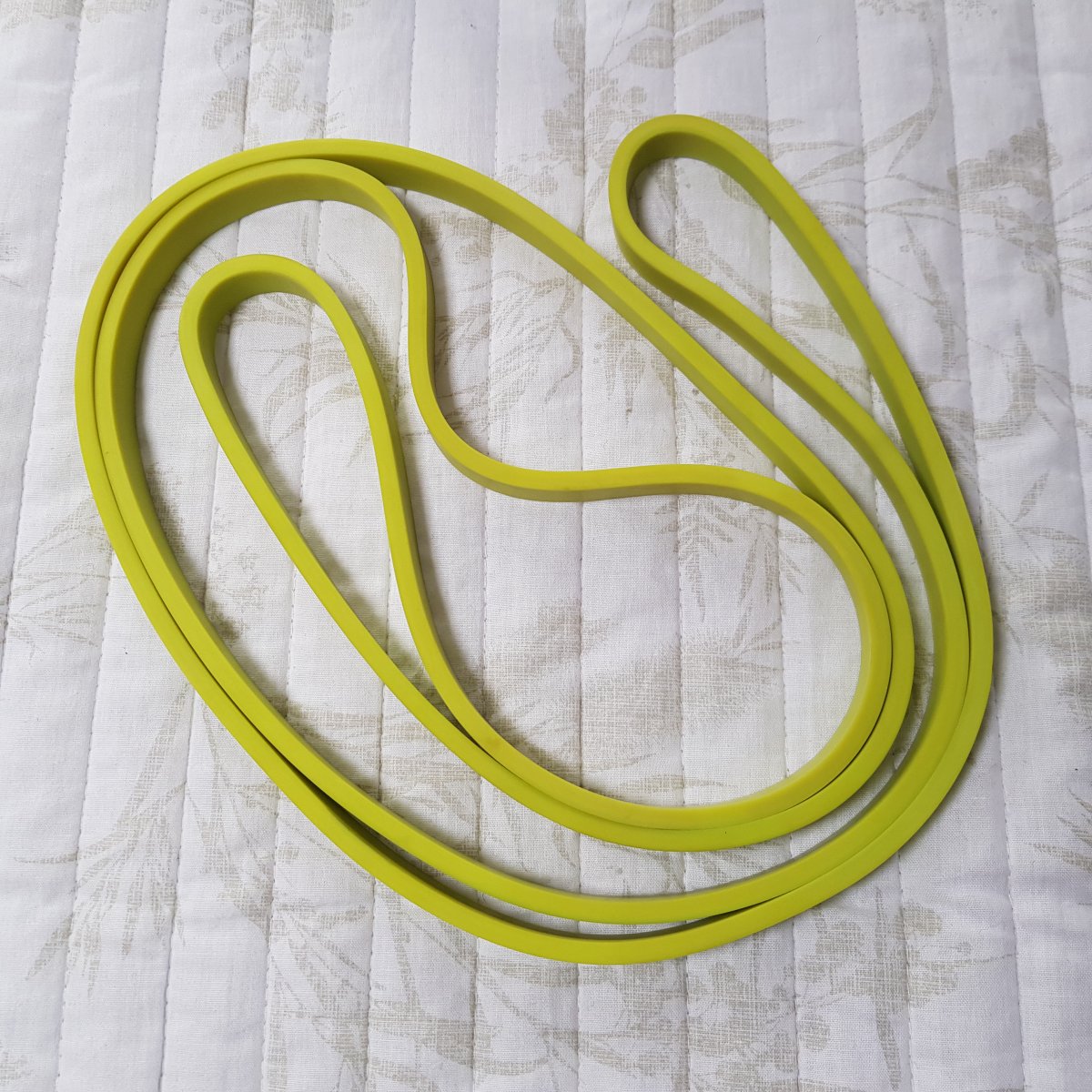
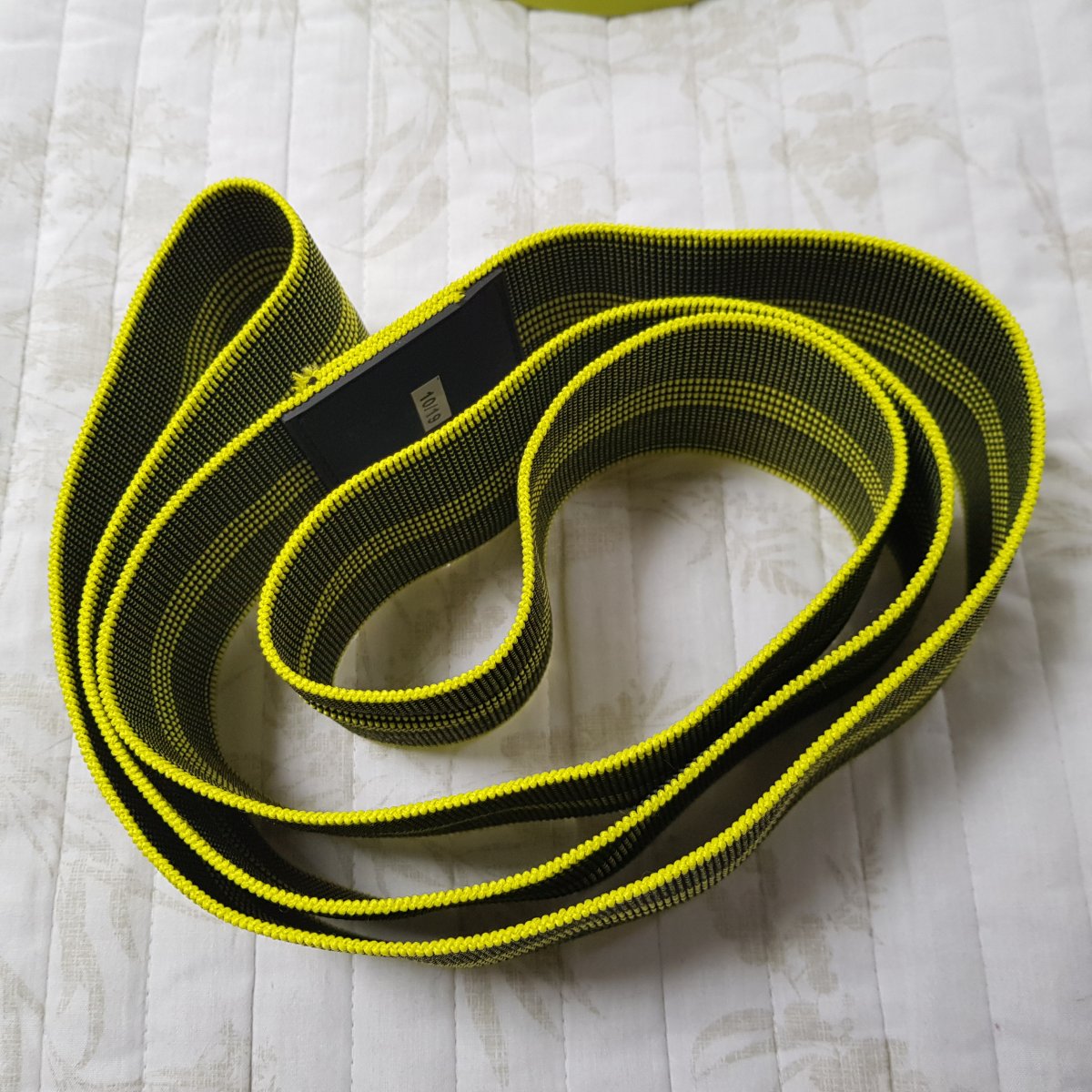
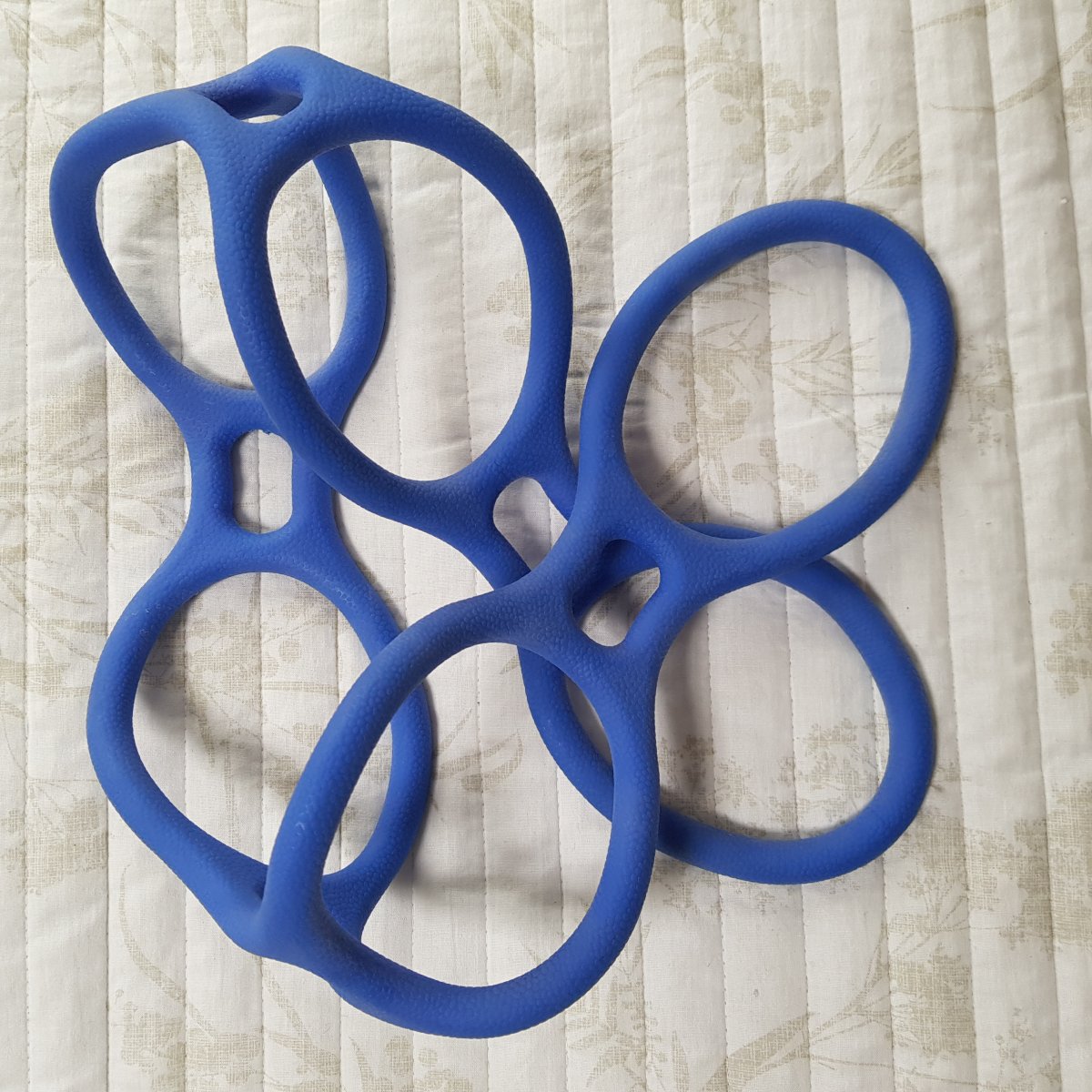

A Travel Fitness Workout
The reason why I love and do these exercises is because they can be completed within a small space, or in the outdoors, such as a park.
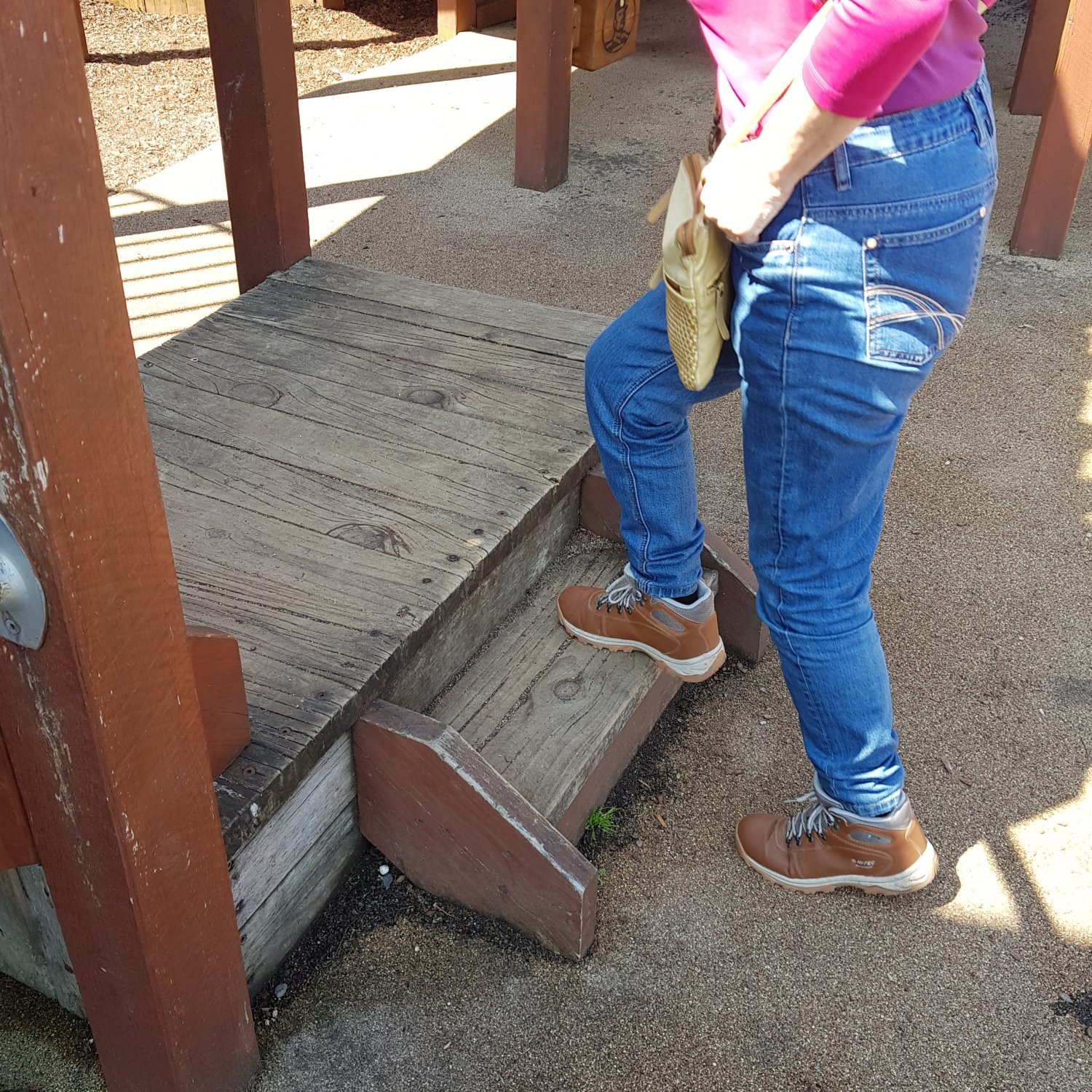
Quads and glutes (bum muscles) – Wall Sits : Lean against a wall, slide down until your thighs are parallel to the ground, hold that position as sitting on a chair, for a few seconds.Lower abs – Leg Raises : Lie flat on your back, with your legs straight, slowly lift legs to 90-degrees, then lower and stretch.Triceps and shoulders – Tricep Dips : Sit on the edge of a chair or bed, place your hands beside your hips, and lower your body off the edge while keeping your legs straight.Core strength – Planks : Hold a push up position, but rest on your forearms, with your body in a straight line. Tighten your core and hold for as long as possible.Strength and flexibility – Resistance bands : You can do all manner of exercises with these.And the 'Mother' of all exercises – the humble Step-Ups : Great for our glutes and hamstrings (backs of thighs), also strengthens our core and gives us a cardio workout if we go fast enough.
Note : an alternative to steps-ups are real steps, or stairways (ha ha!).
Jet Lag – How We Can Manage It
Daily Routine & Travel – NOT Friends
Costs & Budgets – Keeping a Balance
Hydration – It Keeps Us Alive and Well
Safety & Travel – Can Be a Challenge
In-flight Exercises
In-flight exercises will help us to reduce stiffness, improve circulation, and keep us active. Here are some suggestions:
Strengthen your Glutes – Glute squeezes : Tighten your glutes, hold for a couple of seconds.Improve mobility – Leg stretches : Extend the leg out and hold, then lower.Reduce neck stiffness – Neck rolls : Gently roll your head from side to side, then forward and backward.Improve circulation – Get up and walk : If the plane is in ‘sleep’ mode, use your mobile phone for light.Relieve back and shoulder tension – Overhead arm stretches [do these in the bathroom, or in an open space]: Clench your hands and lift your arms above your head, stretch up to lengthen your spine.

Let’s not forget about Mental Fitness
When I first published this piece, I did not include anything about mental fitness.
After reading that between 25% and 40% of adults experience some degree of flight anxiety (and being one of those, myself), I decided to address my omission.
Being mentally fit ensures that we have the cognitive and emotional endurance to handle adversity.
The reality is that travel can be one of the most mentally-taxing activities we do. From the moment we leave home, we are moving outside of our comfort zone, and into a zone of unpredictability.
Indeed, as we travel there can be a number of things that occur unexpectedly, and are totally outside of our control – resulting in moments of stress and emotional overload.
Along with our physical fitness, mental fitness for travel is something that we can (and should) invest in, as part of our preparation. This can help us to proactive, so that we can adapt to any challenging situations that may arise along the way.
Research of destinations, and planning of itinerary activities helps to reduce uncertainty and anxiety. Adopting a travel routine, even before departure, can also help, as can identifying any potential stress “triggers”.
Avoiding any over-scheduling of activities, setting aside “me-time”, maintaining a regular routine (especially for sleep and meals), are all important. It is also important to recognise that not everything will always go as planned, but it is possible to recover from almost all situations you might face. Keeping regular connections with family and friends can help to maintain emotional support.
Review your adventure and the emotions you experienced (journaling helps with this), specifically looking for: (1) what worked well, (2) what can be improved, (3) what not to do next time. This can be used as a platform to launch your next exciting adventure.
Your Take-outs
- We all know there can be many benefits when we invest some time in a regular exercise regimen.
- If our travelling will involve any amount of walking, we need to be fit enough to cope with that from Day 1.
- We also need to take our exercise regimen ‘on the road’ with us, as we are travelling – remember, some form of exercise is much better than none (something is better than nothing).
- At many iconic and historic attractions around the world, we may face stairways and steps; sometimes these are the only way to reach a particular vantage point.
- When we are unprepared for a particular ‘challenge’ (as I was for the Blue Mountains Giant Stairway), we are likely to suffer the consequences (as I did!).
- Being mentally fit for travel is also important as it helps us to stay strong, adaptable, and aware at all times.

Fitness for Travel
–
[Credit: Wieden+Kennedy]
Your Feedback, please…
Firstly, my thanks to you, for reading my post.
Now, the really BIG question is:
“What value has this Post offered you? “
Has it helped you, or do you need more information?
If you wish to offer some feedback, or to read the feedback from others, please follow the link below to the Feedback Page:
Why Your Feedback is Important to Me
In real life, I am an agile Change Manager, so I know that feedback is an essential part of the improvement process.
Your feedback can help me improve both the content of this Post, and also of future Posts.
If you have a thought, or a question, about the post content, or if you would like to provide feedback about something else, please follow the link to the Feedback Page.
I do look forward to hearing from you, especially if we can make improvements that will help fellow travelers on the road.
Marlene
Please note, before any feedback is posted, it will be moderated. When I am moderating, I may need to contact you, which is why I ask for your email address.
Your email address will
Here is a link to the my afootwego.com CONDITIONS for POST FEEDBACK (2½ mins to read).
Should you wish to peruse them, here are links to my afootwego.com PRIVACY POLICY and Website TERMS and CONDITIONS of USE.
- NOTE:
- This site is specifically designed for responsive display on a mobile device
On devices with wider screens, it will appear as a single, center-aligned column