afootwego-03-food-safety-what-we-must-know
Food Safety – What We Must Know When Travelling
…for people who love to walk…
Supporting Mindful and Responsible Travel
Food Safety – What We Must Know When Travelling reminds us that food safety is not something to be taken lightly – rather, it should be a part of our daily routine when travelling
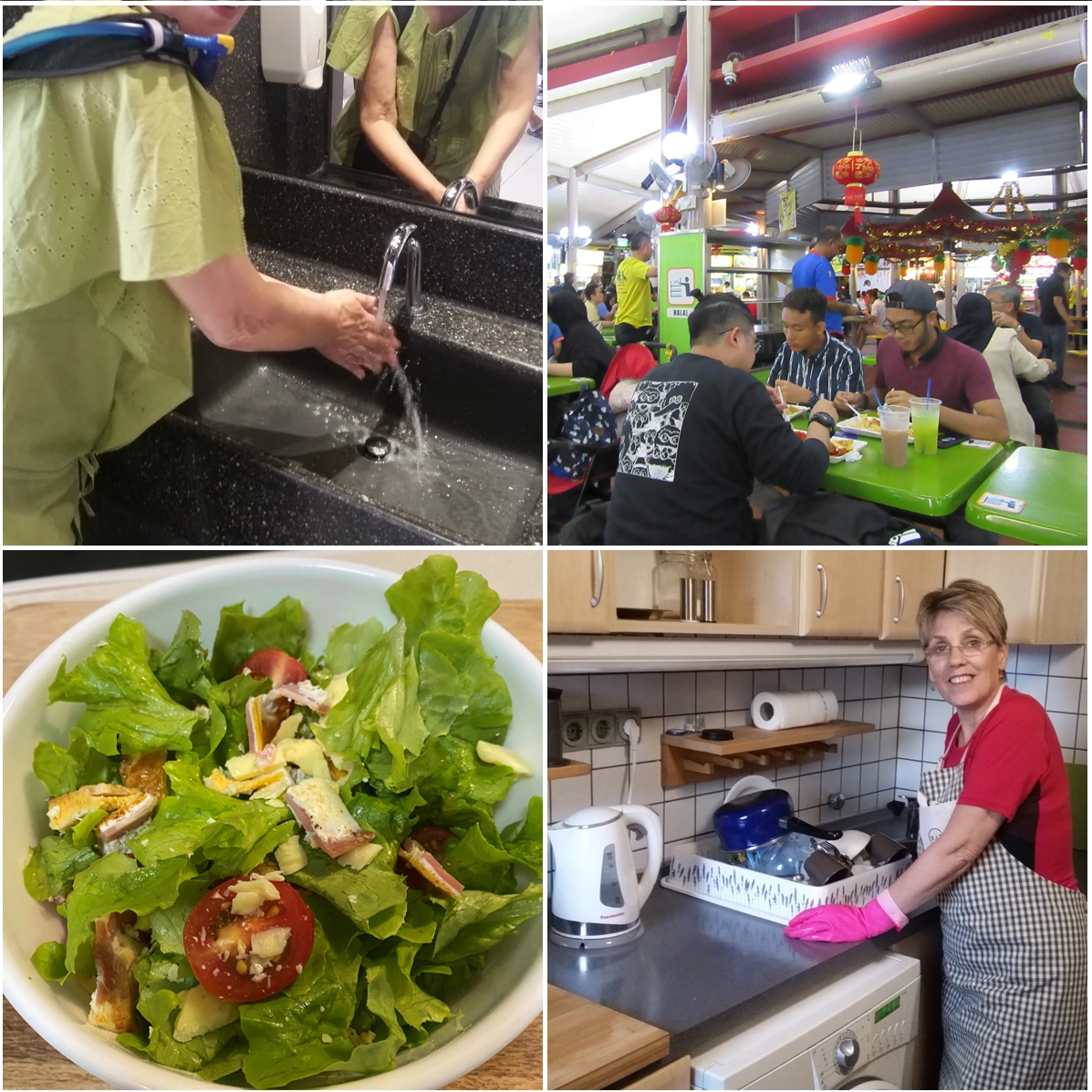
Food Safety – What We Must Know When Travelling
Jun 2026
5¼
For those who have encountered ‘the traveller’s curse’ of diarrhoea and vomiting, food safety can be very personal.
Even in cities which self-declare themselves as the ‘food capital of the nation’ (such as my hometown of Melbourne, Australia), food safety can be a concern.
A Quick Outline
In this Post, we shall explore:
Latest Travel Post
offers more than 21 ideas for Sydney attractions worth visiting during winter, Sydney’s quietest season for tourism (making it also the most affordable season for visitors…)
Food Safety can be a High Risk
The consequences of getting food poisoning while travelling or touring can be absolutely catastrophic!
I know, because it has happened to me while travelling, not once, but twice!
The first time was in mid-air, somewhere between Hong Kong and Heathrow, after I ate a chicken dish.
Everything was messy, smelly, uncomfortable, and I was so unwell.
The second time, I was on a boating trip, with no bathroom on board!
By the time I got to shore, I was a woman on a mission!
And, as I recall, the clean-up and recovery from both of these incidents was not pretty.
Food Poisoning knows NO Boundaries
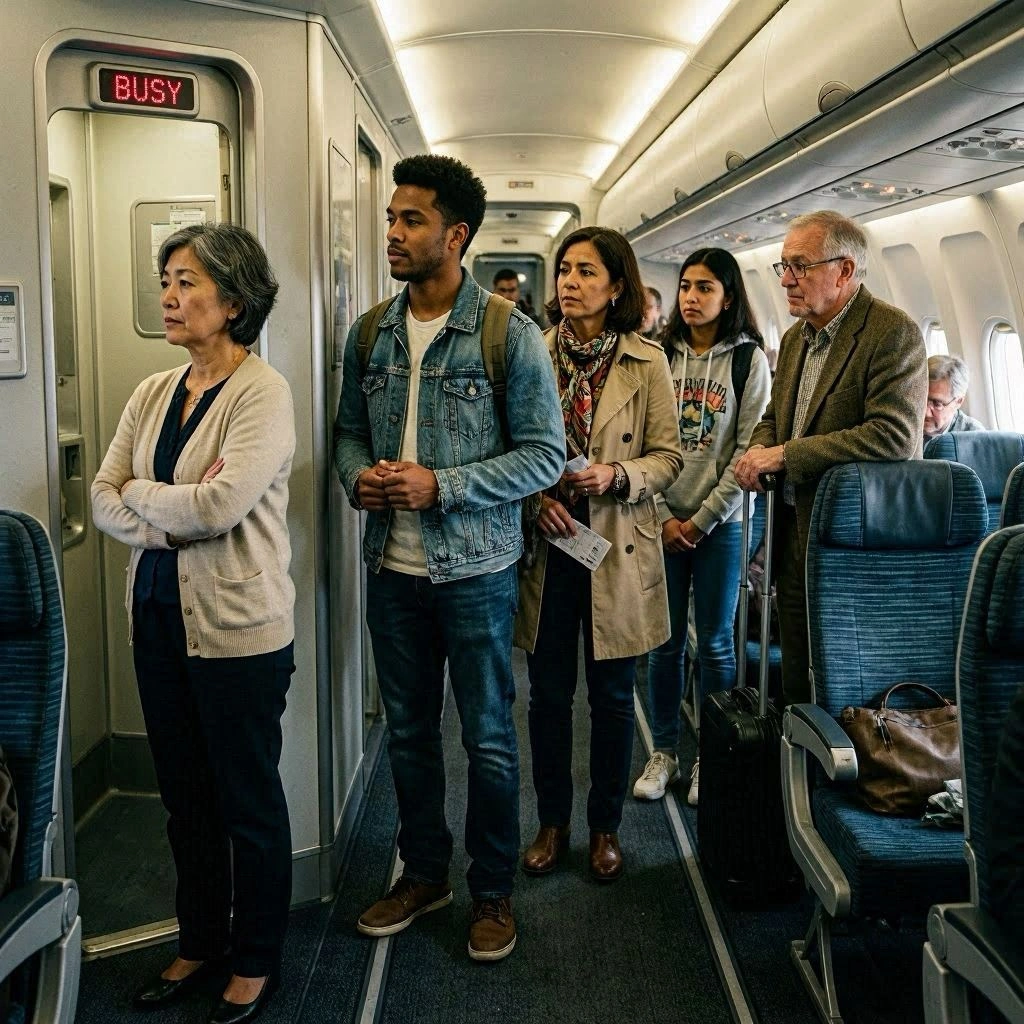
For all travellers, international and/or domestic, food safety MUST be on our minds!
Let me use my home country, Australia, to explain why.
Australia is a country that prides itself on the quality and diversity of its cuisine.
It is also a highly regulated country, with robust food safety legislation, ranking it 4th in the world in food safety.
Now, whether you are an Australian, or not, these figures below should blow your mind !
According to various health sources, over recent years the annual estimates of food poisoning effects are:
- between 4 and 5 million people suffer from food poisoning each year (≈15% of the population)
- ±1 million people visit a doctor for food related infections
- between 30,000 and 50,000 require hospitalisation
- there are around 40 (or more) deaths each year, and
- around 80-100 food product recalls are issued annually
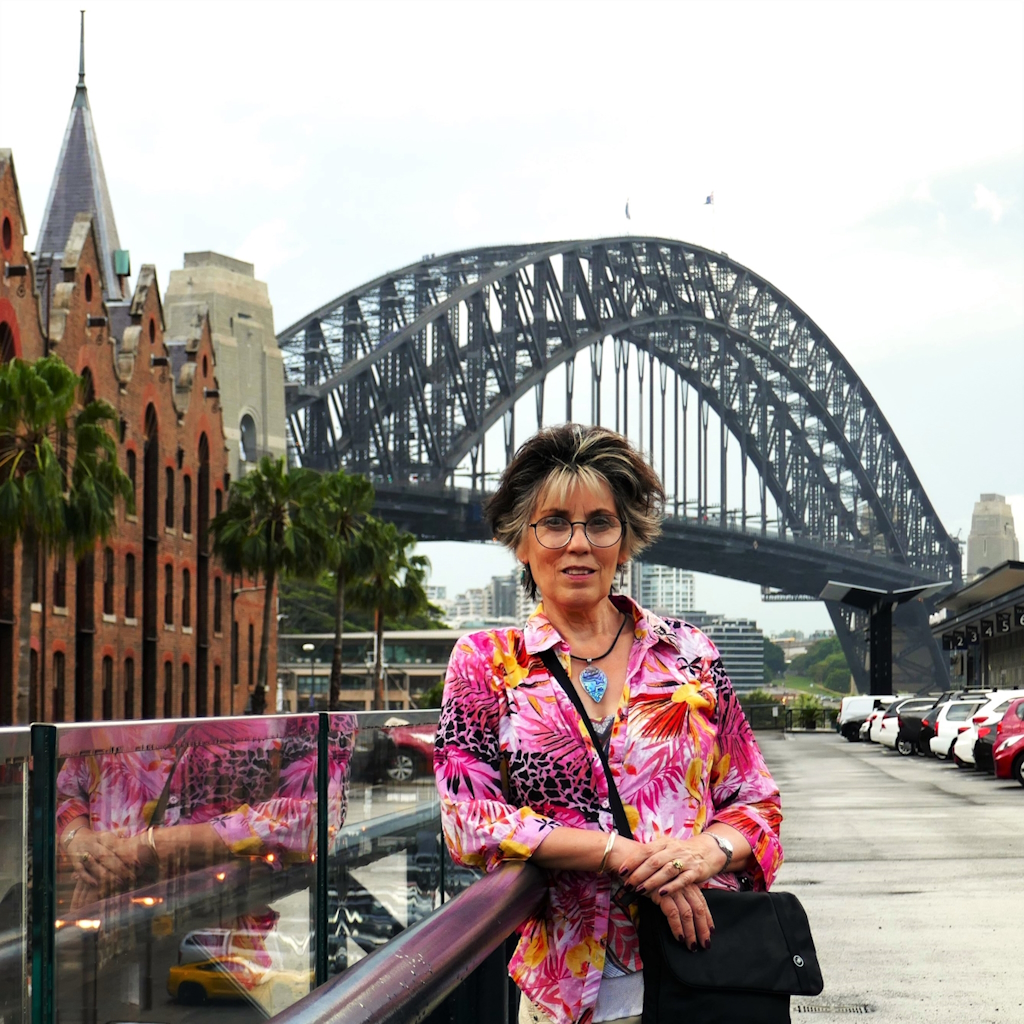
Pardon my language, but – WTF!!!
Actually, about fifteen years ago, I was amongst that cohort who visited a doctor, after becoming severely ill from a takeaway chicken dish.
So, if this is happening in the “4th best country in the world for food safety”, what is going on elsewhere?
Is it really safe to leave home and travel?
When we are travelling, the most likely causes of traveller’s diarrhoea (and vomiting) are from food that has been contaminated during preparation and handling, or from polluted water.
Making safe choices for food and drink will ensure that we can spend more time exploring and enjoying our adventure experiences, and less time in the loo.
Food Safety while Travelling
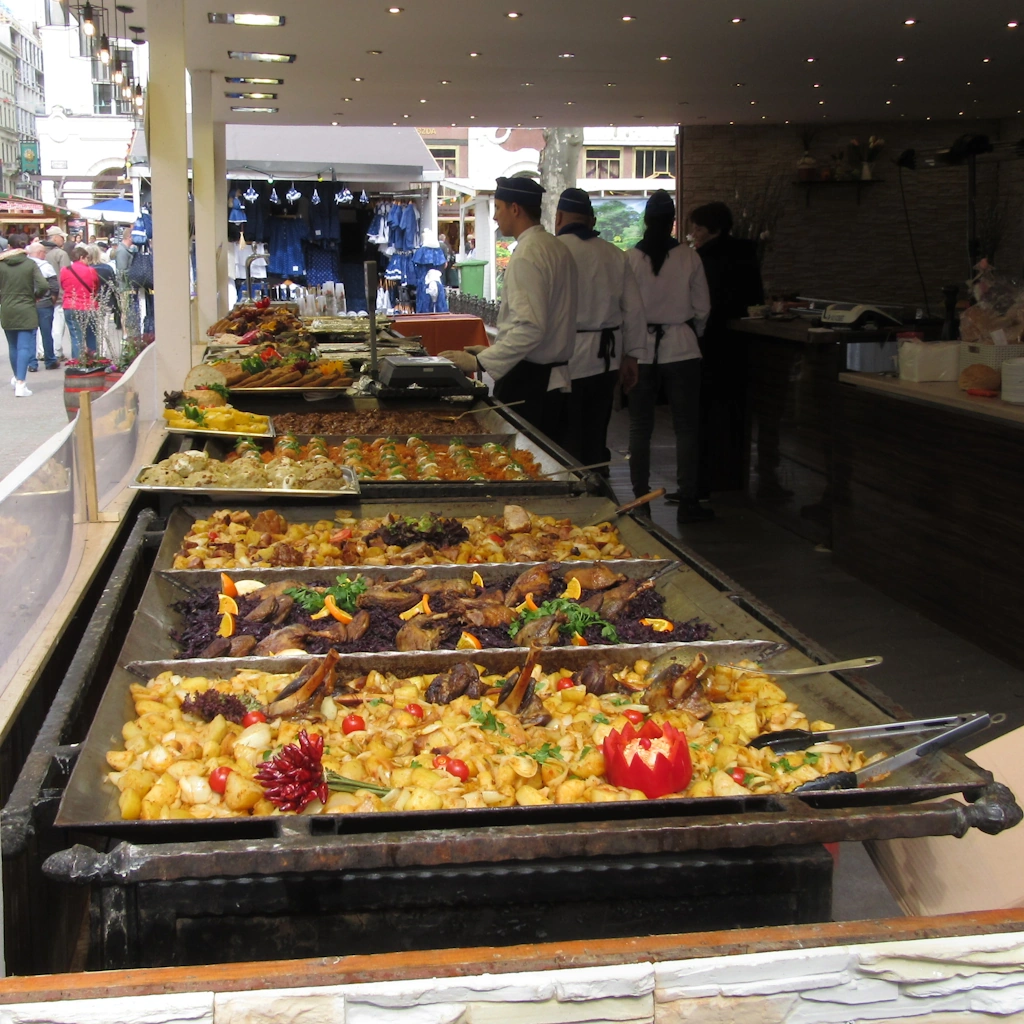
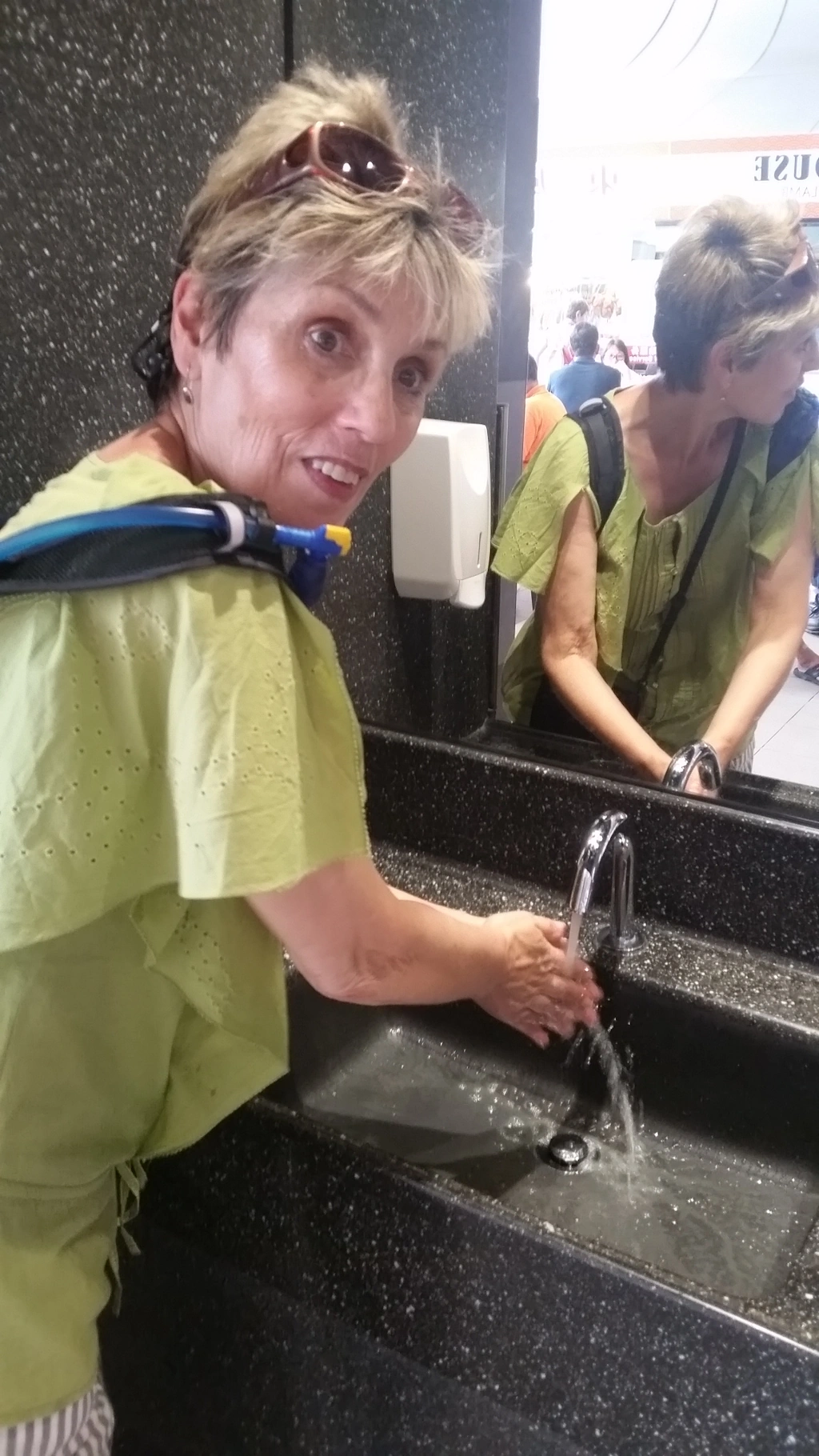
Of course, the ‘golden rule’ of personal hygiene applies to our food safety: clean hands are safe hands, so always washing our hands thoroughly before touching any food is essential.
Here are 15 food safety rules that I try to follow when travelling; they might be helpful to you…
- when choosing market or street food, I use the ‘follow the crowd’ rule
- choose food that is freshly cooked such as fried, boiled or steamed meals
- be cautious purchasing food that is kept in warming cabinets
- be cautious when buying diced or pre-cut raw fruit and vegetables, as the preparation hygiene procedures may be suspect
- don’t eat cooked food that has been unrefrigerated for more than 1 hour
- don’t eat salads that have been unrefrigerated for more than 2 hours
- avoid eating most raw foods; exceptions include peelable fruits (such as citrus and bananas) – but peel them yourself
- food in factory-sealed containers and packets is considered safe, if the seal is intact
- most germs require moisture and oxygen to live, which means dry food, such as nuts, bread, and potato chips, are generally safe
- don’t eat rice that has been standing at room temperature, as uncooked rice can contain bacillus cereus spores, which can survive cooking and develop into bacteria
- keep hot foods hot (140°F/60°C min); keep cold foods cold (40°F/4°C or lower)
- always keep raw foods separate from cooked foods
- not all tap water is safe, in some places drink only water and other beverages from sealed containers
- always check that your crockery and cutlery is clean before you use it
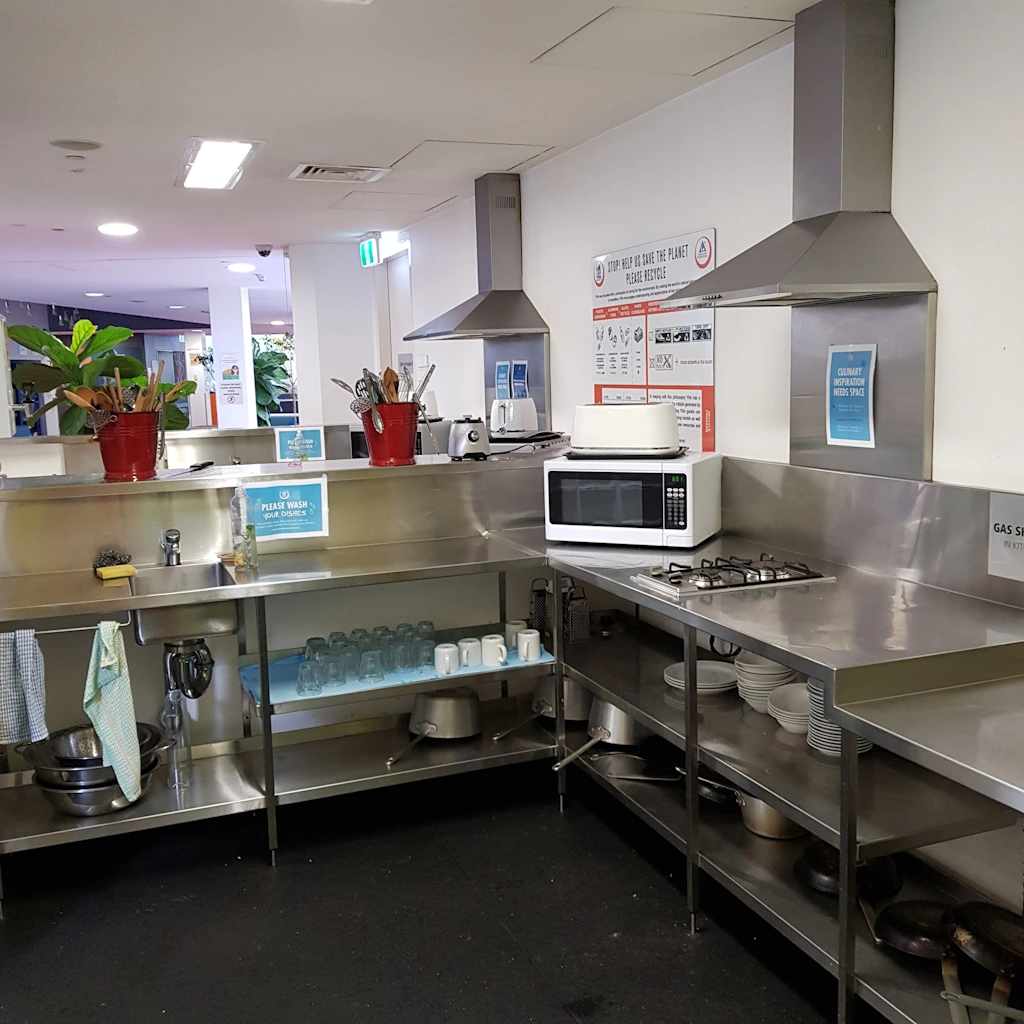
- when staying in self-catering accommodation, wash ‘everything’ before using it
Many of these are just ‘plain old common sense’, or POCS. Perhaps I should also add #16. ‘Always be very wary of chicken dishes !’
Self-Catering Food Safety
As the mother of a 5-star hotel Chef, I am well aware that many kitchens are quite liberal with ingredients, such as sugar, salt, cream, and butter, in their dishes, as these enhance the taste.
So, as we keep on ‘eating out’ during our travelling, food safety may not be the only hazard we face!
For that reason, I like to do some of my own cooking, with fresh ingredients sourced from local produce markets (A confession: in any destination, the local market is always near the top of my list of places to visit and explore).
Self-catering does mean that I need to follow food preparation rules just like at home:
- washing hands before food preparation
- wiping down food preparation surfaces before using them
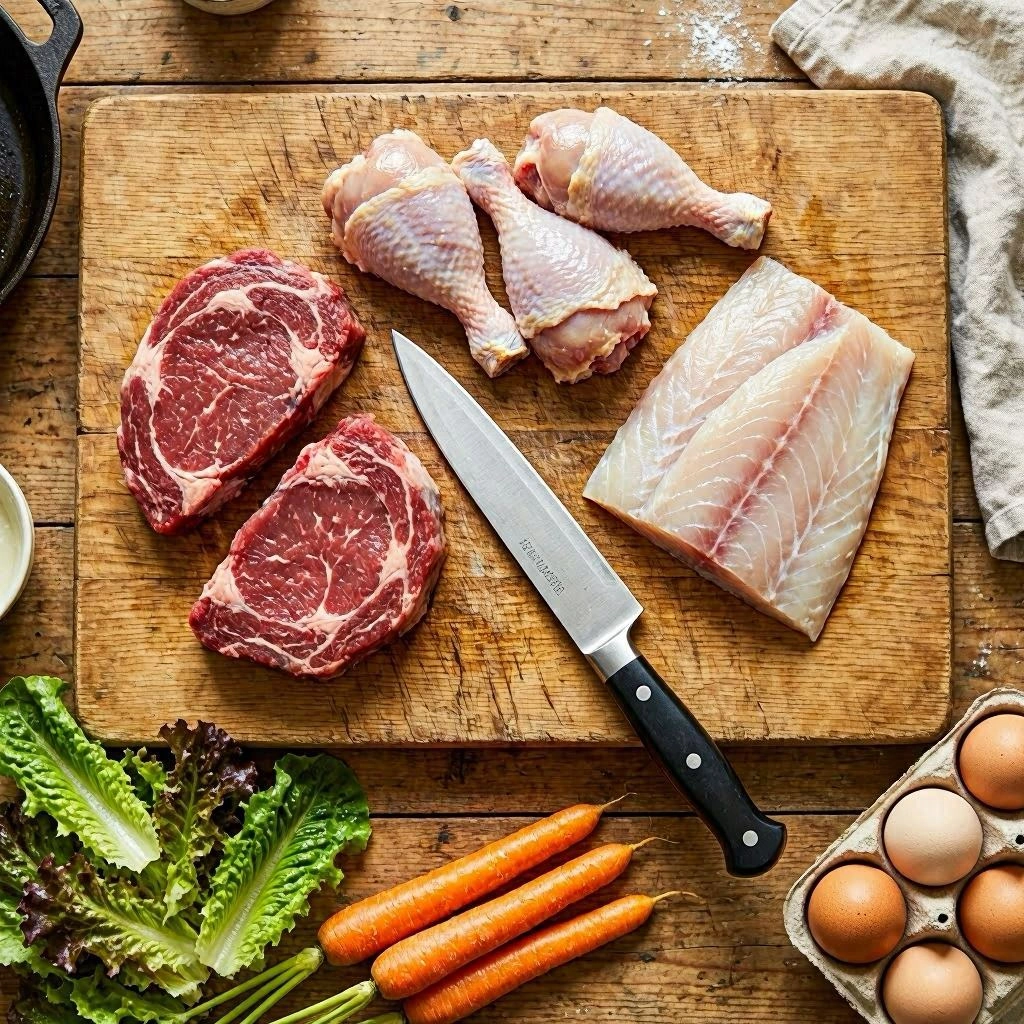
- not using the same chopping board for both raw meat and vegetables
- always properly washing salad vegetables (beware the norovirus!)
- never preparing meals with hand wounds that are not properly bandaged
- never, never, under-cooking poultry (source of campylobacter infection)
- never using raw or under-cooked eggs (source of salmonella infection)

Your Take-outs
- Take it from one who knows, catching a dose of food poisoning while travelling certainly takes away our joy for life for a few days!
- Food safety while we are travelling is our business, and it’s much too important to delegate to a tour operator, a restaurant proprietor, or a food stall hawker.
- If we choose to observe some common-sense rules about food safety, it is unlikely that we will suffer from the ‘traveller’s curse’ of diarrhoea and vomiting.
- Safe food today, leads to a healthy and exciting tomorrow, filled with wonderful adventures!
Jet Lag – How We Can Manage It
Daily Routine & Travel – NOT Friends
Fitness for Travel – Let’s Just Do It!
Costs & Budgets – Keeping a Balance
Hydration – It Keeps Us Alive and Well
Your Feedback, please…
Firstly, my thanks to you, for reading my post.
Now, the really BIG question is:
“What value has this Post offered you? “
Has it helped you, or do you need more information?
If you wish to offer some feedback, or to read the feedback from others, please follow the link below to the Feedback Page:
Why Your Feedback is Important to Me
In real life, I am an agile Change Manager, so I know that feedback is an essential part of the improvement process.
Your feedback can help me improve both the content of this Post, and also of future Posts.
If you have a thought, or a question, about the post content, or if you would like to provide feedback about something else, please follow the link to the Feedback Page.
I do look forward to hearing from you, especially if we can make improvements that will help fellow travelers on the road.
Marlene
Please note, before any feedback is posted, it will be moderated. When I am moderating, I may need to contact you, which is why I ask for your email address.
Your email address will
Here is a link to the my afootwego.com CONDITIONS for POST FEEDBACK (2½ mins to read).
Should you wish to peruse them, here are links to my afootwego.com PRIVACY POLICY and Website TERMS and CONDITIONS of USE.
- NOTE:
- This site is specifically designed for responsive display on a mobile device
On devices with wider screens, it will appear as a single, center-aligned column